
 Audrey
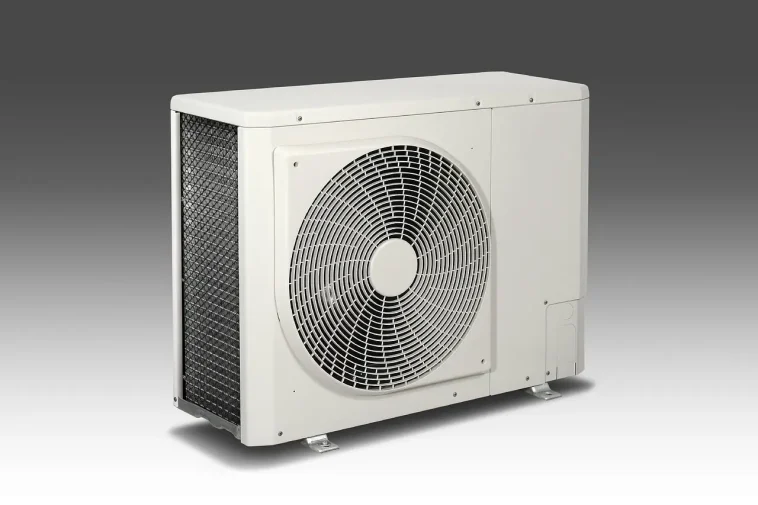
An air conditioning system is a vital part of comfort in homes and offices, particularly in warmer regions. However, one of the most overlooked components of this system is its drainage line. When functioning properly, this drain removes condensation from the evaporator coil, preventing water buildup inside the unit. Yet, when it becomes clogged with dirt, dust, algae, or debris, the consequences can extend far beyond a simple water leak. Clogged drains can degrade the system’s performance, increase indoor humidity, and even lead to costly repairs. Understanding how these blockages affect your air conditioner can help homeowners take preventive measures that ensure reliable, efficient cooling all year long.
How Drain Blockages Form and Affect Systems
Clogged drains develop gradually, often starting as minor obstructions that accumulate over time. These blockages form inside the condensate drain line, eventually disrupting the air conditioning system’s ability to remove moisture. Dust, mold, algae, and rust particles are common culprits that thrive in the damp environment of the drain pan and tubing. As condensation collects during normal operation, these contaminants mix and settle, creating thick buildup that restricts water flow. Once blocked, water backs up into the system, potentially causing overflow or leakage within the indoor unit. This moisture can damage electrical components, insulation, and nearby structures, especially if the clog remains unnoticed for an extended period. Moreover, the unit may shut off unexpectedly when the system’s safety mechanisms detect excess moisture. Regular drain cleaning ensures consistent operation, reduces repair risks, and helps maintain a comfortable, energy-efficient indoor environment.
How Drain Clogs Impact Cooling Performance
Performance degradation is one of the earliest signs of a clogged drain line. Water accumulation and reduced airflow contribute to poor cooling performance and higher energy consumption. When condensate water fails to drain properly, it can pool near the evaporator coil, raising indoor humidity. Moisture buildup may freeze on the coil, blocking airflow and forcing the compressor to work harder. This strain causes temperature inconsistencies and unnecessary wear on mechanical components. Over time, even minor clogs can significantly reduce the system’s ability to cool effectively, leading to uneven airflow and reduced comfort. Homeowners may also notice unpleasant odors from mold growth within the drain line. To prevent such inefficiencies, regular tune-ups and inspections are essential. For instance, Mesa air conditioning maintenance services often emphasize drain cleaning as a critical part of seasonal maintenance to prevent performance losses and costly strain on the system. Clean drainage allows for proper moisture removal, ensuring consistent cooling even during peak summer heat.
How Clogged Drains Increase Indoor Humidity
Humidity control is one of the most important roles of an air conditioning system. How clogged drains disrupt this balance, resulting in a sticky, uncomfortable indoor environment. When the condensate line is blocked, excess moisture remains trapped inside the unit and eventually seeps into the air circulating through the vents. This trapped humidity not only makes rooms feel warmer but also promotes mold and mildew growth in ducts and on surfaces. High humidity can damage wood furniture, flooring, and even drywall, causing long-term structural issues. It also affects indoor air quality, exacerbating allergies and respiratory conditions among occupants. Since humidity directly influences how cool or warm a room feels, the system may run longer than necessary, wasting energy. Addressing clogged drains promptly helps maintain healthy indoor moisture levels, supporting comfort and efficiency while protecting the home’s air quality and integrity over time.
How Water Damage Affects System Integrity
Clogged air conditioning drains can cause extensive water damage if neglected. How does this moisture affect both the HVAC unit and the surrounding structures? When the condensate pan overflows, water can seep into insulation, drywall, and flooring, leading to warping, staining, and mold growth. Electrical components, such as wiring and sensors, are also vulnerable to water exposure, creating risks of short circuits and system failures. In attic installations, leaks can travel downward, damaging ceilings and causing visible water stains. The long-term cost of repairing such water damage often exceeds what regular maintenance would have prevented. Homeowners who ignore drainage issues may also face reduced system lifespan, as corrosion and rust weaken key components. Professional technicians often recommend installing float switches to detect overflow early and shut the system off before damage occurs. Preventive cleaning and inspection remain the most effective solutions for avoiding these potentially destructive outcomes.
How Drain Clogs Lead to Electrical Issues
Water and electricity should never mix, yet clogged drains often create conditions where this risk becomes real, as water intrusion from blocked condensate lines can cause electrical malfunctions. As condensate overflows, it can reach circuit boards, sensors, or contactors within the air handler unit. These components are vital for regulating airflow, temperature, and compressor operation. Even small amounts of water exposure can corrode terminals and disrupt electrical signals, causing the system to malfunction or shut down unexpectedly. In more severe cases, short circuits can occur, necessitating costly repairs or replacements. Electric control panels may also become damaged, increasing the risk of total system failure. Routine maintenance checks allow technicians to identify moisture buildup early and prevent these hazards. Ensuring the drain system functions properly protects mechanical and electrical components, maintaining safe, reliable operation throughout the cooling season.
How Clogged Drains Affect Air Quality and Health
The condition of your HVAC drainage system directly impacts indoor air quality. How blocked drains can create a breeding ground for harmful contaminants. Standing water inside the system encourages the growth of mold, mildew, and bacteria, which can be circulated throughout the home via air ducts. These microorganisms release spores and odors that degrade air quality and cause respiratory irritation. Over time, exposure to poor indoor air can worsen allergies and asthma symptoms. In addition, the musty smell resulting from stagnant water can make indoor spaces unpleasant. Regular drain maintenance helps prevent this accumulation of biological growth, preserving both system hygiene and occupant well-being. By ensuring proper drainage, homeowners maintain a clean airflow, protect their health, and enhance the overall comfort of their living space. A clean HVAC system not only cools efficiently but also delivers fresh, breathable air with every cycle.
How Preventive Maintenance Solves the Problem
Prevention is always more cost-effective than repair, particularly for drain-related issues. How preventive maintenance helps avoid clogs and prolong system performance. During scheduled service visits, technicians inspect the condensate line for buildup and flush it using vacuum pumps or pressurized air. They also treat the drain pan with antimicrobial tablets to prevent algae and mold formation. Simple homeowner practices, such as replacing air filters regularly and scheduling seasonal checkups, go a long way in preventing blockages. For systems in high-humidity environments, adding a secondary drain line provides extra protection against overflow. Preventive care not only preserves efficiency but also ensures that the system operates safely. A well-maintained HVAC unit handles both temperature control and humidity regulation smoothly, providing consistent comfort throughout the year. By prioritizing upkeep, homeowners avoid emergencies, costly repairs, and the inconvenience of mid-season breakdowns.
Clogged drains seem like a small issue, but their effects on an air conditioning system can be extensive. From reduced cooling performance and higher energy bills to water damage and electrical risks, neglecting drain maintenance can compromise both comfort and safety. Regular inspection, cleaning, and preventive care help maintain optimal system performance while protecting the home’s structure and air quality. Homeowners in warm climates should especially prioritize seasonal maintenance to avoid these common issues. Keeping the condensate line clear not only extends the unit’s lifespan but also ensures dependable, efficient cooling when it’s needed most.