 Audrey

Constructing a facility requires more than just raw materials and a plot of land. Building system planning links the initial vision to physical assets while guiding early decisions. Cost and lifespan depend on understanding the engineering behind pre-engineered structures. Disciplined design phases ensure these buildings move smoothly from concept to construction.
This article explores how intentional design for pre-engineered structures streamlines construction and optimizes project budgets.
Project Inputs First
Rather than starting with creative sketches, every design begins with raw data. Structural engineers gather wind and seismic data immediately for environmental stability. Local zoning limits and detailed soil reports further shape the initial parameters of the building.
Layouts are driven by operational needs from the very start of the project. Clearances for equipment and crane loads define the height and width. Daily operations benefit from a construction process designed backward from real use.
Reputable engineers size systems for wind and snow loads under local codes. Prioritizing site data helps high-quality pre-engineered structures outperform non-engineered systems. Safe for long-term use, a durable solution results from this technical focus.
Digital Modeling Stage
In modern engineering, advanced 3D modeling software has replaced traditional drafting tools. Refining building components with extreme accuracy occurs through fast, controlled revisions. Fast updates during this stage prevent delays and keep the project moving.
Long before a single bolt reaches the site, clash detection occurs within the virtual model. Overlaps between primary frames and utility lines are identified by the software to prevent field errors. By fixing these issues digitally, teams shorten overall construction time and avoid costly site delays.
Load Optimization
Efficient weight distribution is managed by engineers across rigid frames and bracing systems. Steel is placed only where stress demands it in pre-engineered steel buildings. A lean, incredibly strong skeleton results from this targeted engineering method.
Safety margins improve when the dead load of the building is reduced. Lower foundation costs let owners redirect savings toward higher-quality building solutions. Without wasting raw materials, the focus remains on maximizing strength.
Material Selection
Choosing materials involves more than just picking a basic steel grade. Protective coatings preserve performance across roofing systems, metal panels, and steel. To balance weight with durability, engineers select specific material thicknesses.
Final selections are dictated by local climate and industrial exposure. In harsh environments, corrosion resistance keeps the building functional for decades. How often the owner needs to perform maintenance is also influenced by these early material choices.
Connection Design
For speed and precision on the job site, bolted connections remain the industry standard. Labor risks drop because joints secure components without any on-site welding. Faster erection and lower labor costs result from choosing this specific connection strategy.
Consistency across the project is maintained through standardized connection families. Even with custom building shapes, the joints follow proven engineering patterns. When they use these reliable patterns, work becomes much simpler for installation crews.
Design for Fabrication
Specifically designed for factory production lines, components are never left to field improvisation. Controlled manufacturing environments align pre-engineered structures with modern prefabricated standards. This precision eliminates the need for guesswork once materials reach the site.
Managing construction materials becomes easier with repeatability, which lowers the overall project cost. Fabrication moves much faster through the shop when many parts share the same dimensions. Both the production budget and the project schedule improve with this efficient workflow.
Transport Planning
Standard shipping limits dictate the maximum size of every individual component. Modular building strategies split structures into manageable sections for efficient transport. Planning ahead for logistics cuts shipping costs and keeps components safe during transit.
Bridge heights and site access constraints are always considered during route planning. Coordinated logistics deliver wall panels and framing elements in the correct assembly sequences. Parts arrive in the order the crew needs them because of efficient packing sequences.
Erection Sequencing
During the design phase, the installation order serves as a primary focus. Designers plan lifting points and bracing for pre-engineered metal buildings. Confusion in the field is prevented by thinking through the assembly steps early.
Time spent by workers at great heights is reduced through safety-driven choices. By allowing teams to join parts on the ground first, pre-assembly strategies minimize risk. On-site timelines shrink while safety for every worker improves significantly.
Adaptability Built-In
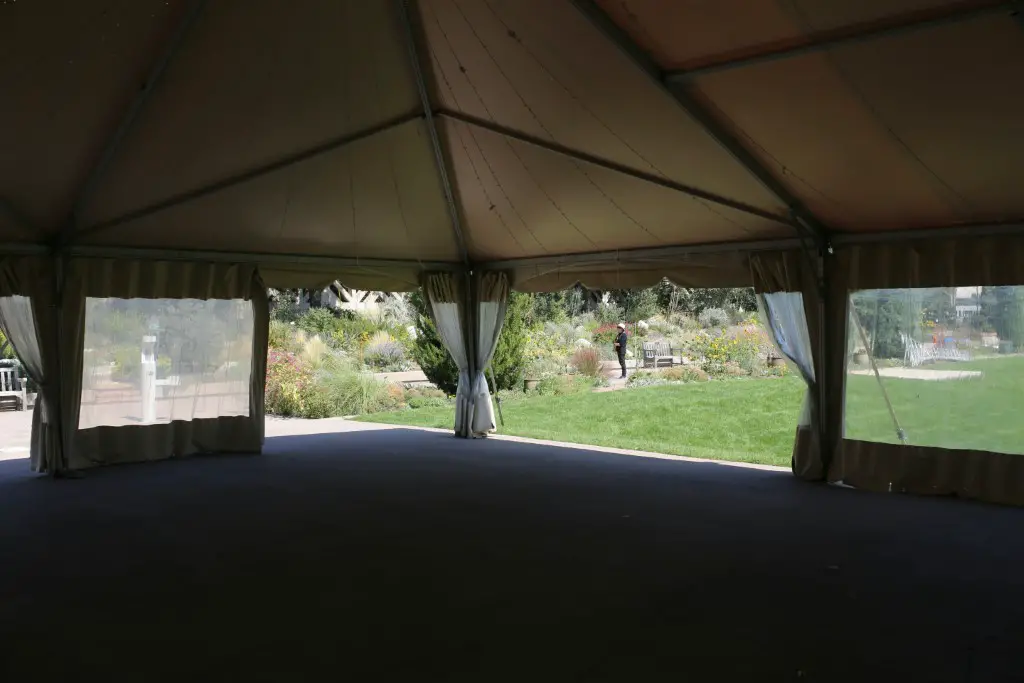
Future growth becomes possible through expandable bay systems included from day one. Easy additions are made possible by removable end walls that don’t require major structural changes. Without compromising the performance of the building, changing operational needs stay manageable.
Before they become massive problems, small errors are caught through iterative reviews. Throughout the design process, coordination between engineers and fabricators remains constant. Final project goals stay in focus when everyone works together throughout the review.
Design Review Cycles
Iterative reviews catch small errors before they become massive problems. Coordination between engineers and fabricators happens throughout the design process. Final project goals stay in focus when everyone works together throughout the review.
Digital platforms centralize feedback from all stakeholders in real time. Fast approvals keep the momentum moving toward the fabrication phase. Refined designs lead to fewer change orders during the actual build.
These cycles focus on optimizing every inch of the structure. Each review looks for ways to improve efficiency or reduce costs. Constant refinement ensures the final product meets every performance standard.
Compliance Without Compromise
From the very first day, codes and standards are integrated into the design. Early alignment with regulatory requirements supports pre-engineered metal buildings effectively. Legal delays and safety issues rarely occur when teams prioritize these early standards.
While remaining cost-effective, smart engineering finds ways to meet strict codes. Special inspections integrated during design ensure that critical components meet quality benchmarks. Safe, legal, and optimized, the structure fulfills its intended purpose.
Conclusion
Aligning vision with technical reality brings success to pre-engineered structures. Intentional, data-driven decisions create a durable and remarkably easy-to-build final product. Smooth construction depends on hidden advantages to finish projects on budget.