 Audrey
Rigid wall shelters and containerized facilities are quietly transforming how modern militaries build, operate and survive in demanding environments. Behind the scenes, companies like AlaskaDefense.com are pushing the boundaries of rapid-deployment architecture for defense forces around the world.
Durable, efficient and adaptable are qualities you will most likely have repeated to you by anyone from the construction or real estate world when you ask them what makes a building truly reliable. Curiously enough, those same demands apply to the military world, just under far tougher conditions. Modern forces move fast, often in very remote areas, and face everything from harsh weather to unpredictable threats. That means their structures need to do so much more than offer a roof over people’s heads: They need to protect, support and sometimes even heal.
Over the last decade, hardened shelter solutions have been a big deal in military operations. These aren’t your ordinary tents or temporary sheds. We’re talking rigid wall shelters and containerized facilities designed to be shipped across the world, deployed in hours and stand up to the type of stress most buildings never encounter. If you’re into architecture, modular design or how structures can be engineered for resilience, this is a space worth watching.
Rigid wall shelters is the backbone of field operations
Built for serious conditions
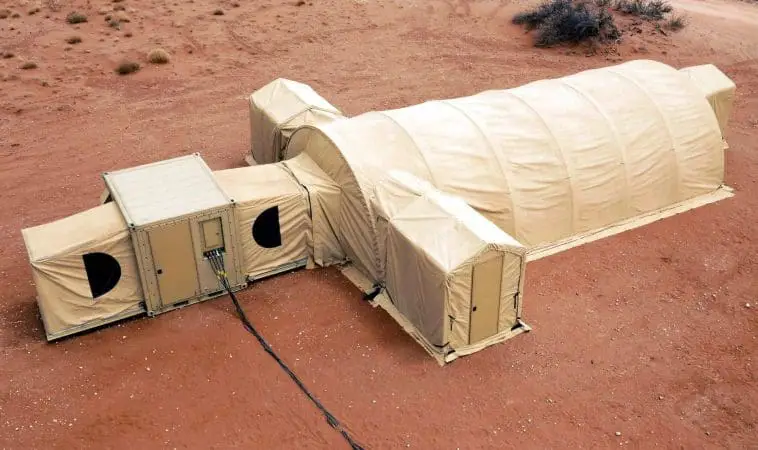
Rigid wall shelters have become the go-to option when durability is non-negotiable. Most of these constructions resemble compact, mobile buildings, but their performance is closer to that of a bunker. They are engineered to resist extreme temperatures, heavy winds, snow loads and continuous movement. Unlike fabric tents that sag or tear under pressure, rigid shelters hold their shape and integrity no matter where they are deployed.
For military units, that reliability is priceless. It means command centers stay operational in a storm, medical teams can treat people in controlled environments and troops can rest without worrying about weather or structural failure. Think of them, from a building and architecture perspective, as the ultimate crash course in rapid-deployment construction mixed with high-performance materials science.
Modular, scalable and surprisingly comfortable
One of the most interesting design features of rigid wall shelters is how modular they are. Need a larger operations center? Add a few more sections. Want to convert part of the shelter into a briefing room or sleeping quarters? Swap out the interior modules. This kind of flexibility mirrors trends we’re already seeing in commercial modular construction, just adapted for battlefield realities.
Inside, they’re more comfortable and functional than most people might think. HVAC systems, lighting, sound insulation and even anti-vibration features can be integrated. The design philosophy is simple: If troops can operate at peak performance inside these structures, the mission stands a better chance of success.
Containerized facilities is the next generation of field infrastructure
From shipping container concept to high-tech military hubs
These same container-based structures have skyrocketed in popularity in civilian construction, from quirky homes to pop-up retail spaces. The military took that same idea, toughened it up and turned it into something even more capable. Well-constructed containerized facilities can be used as tactical operations centers, hygiene stations, modular offices and even fully equipped medical units.
This is where AlaskaDefense.com comes into the picture. The company has carved out a reputation for delivering advanced shelter systems and turnkey base camps, offering everything from small shelter systems to hygiene complexes, TOCs and medical shelters. Their lineup includes the kind of containerized facility that blends rugged engineering with thoughtful design, giving military teams ready-made spaces that feel more like permanent structures than temporary deployments.
Fast manufacturing and tested strength
One of the biggest advantages here is speed. AlaskaDefense.com focuses on fast manufacturing and certified test reports, meaning the shelters are not only built quickly but proven to stand up to real-world conditions before they leave the factory floor. For a sector where delays can compromise operations, that kind of reliability is gold.
From a construction perspective, the engineering behind these facilities deserves some attention. Reinforced framing, integrated insulation, high-efficiency mechanical systems and panelized components all come together to create buildings that can literally be dropped into place and used within hours.
Designed for real functionality
It’s easy to assume that military shelter systems are bare bones, but the modern versions are surprisingly sophisticated. Containerized medical units can feature surgical-ready lighting and sterilization setups; tactical operations centers come with cable management, IT racks and blast-resistant doors. Hygiene facilities mimic permanent building layout and workflow.
What’s fascinating about these systems is that they balance mobility with capability. Architects and real estate developers have been chasing that same balance in disaster relief housing, remote research stations and modular student housing. The military just happens to be pushing innovation in ways the civilian world eventually benefits from.
Why these shelters matter more today
Adaptation to modern threats
Today’s military missions are rarely in predictable places. They unfold in deserts, arctic zones, dense forests and remote islands. Hardened shelters give teams a stable, controlled environment no matter where they land. For planners, engineers and construction professionals, it’s a reminder that the built environment must evolve alongside the threats and landscapes it’s meant to handle.
Rapid deployment equals faster mission readiness
Speed is everything in field operations. The ability to deploy either a rigid wall shelter or a containerized facility in hours means troops can set up working bases at a pace unimaginable just twenty years ago. That shift mirrors the construction industry’s broad move toward prefab solutions designed to compress timelines without cutting corners.