 Audrey
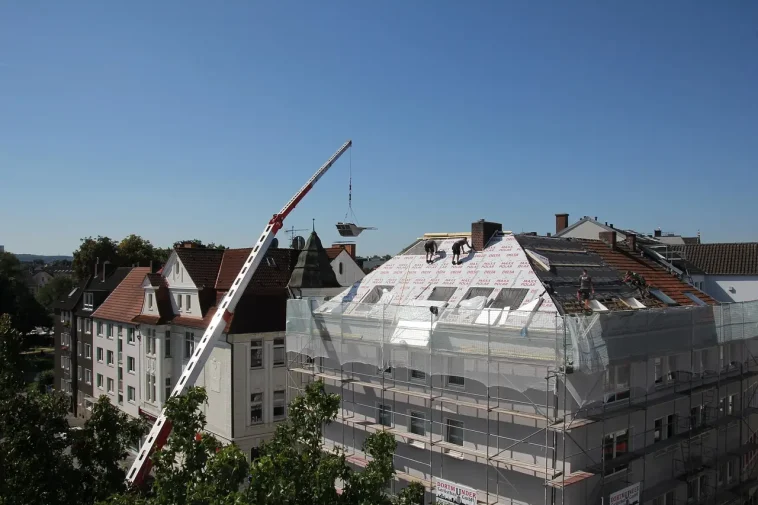
Midwest property owners are upgrading commercial roofs to improve energy performance, durability, and code compliance. Popular specifications include reflective coatings, single-ply membranes, and solar-ready designs that limit heat absorption and increase weather resistance. Contractors integrate enhanced insulation and vapor barriers to maintain consistent thermal performance across wide temperature fluctuations.
Facility managers emphasize predictable maintenance schedules, verified load data, and accurate warranty documentation to reduce operational risk. Tools such as drone thermography and embedded moisture sensors identify leaks and deterioration early, enabling cost-effective repair planning. Combining durable membranes with effective drainage increases service life, supports inspection efficiency, and provides consistent performance through variable regional conditions.
Energy-Efficient Roof Systems
High-reflective roof coatings are becoming standard on commercial buildings throughout the Midwest, and roofing contractors in Columbus Ohio are adopting them to reduce heat absorption, lower cooling costs, and extend membrane life. Continuous polyiso insulation paired with a vapor barrier keeps roof performance stable through hot summers and cold winters. Sealing joints and roof penetrations with compatible flashings limits energy loss and helps HVAC units maintain consistent efficiency.
Thermal imaging identifies insulation gaps and verifies uniform coverage, providing proof of reduced energy waste. Regular thermal scans and shared reports help building owners and contractors prioritize repairs, schedule inspections, and plan budgets more accurately. These combined steps reduce operating costs, stabilize interior temperatures, and maintain reliable long-term performance for commercial buildings.
Integrated Solar Roofing Designs
Solar roofing systems now combine waterproofing and on-site energy production in one structure. Products such as solar panels mount directly to the roof deck, reducing ballast weight and improving wind resistance. Aligning panels with roof slope and drainage prevents water buildup and supports proper runoff. Planning electrical routing before installation reduces deck penetrations and makes maintenance easier while lowering leak risk.
Engineers must confirm that the roof structure can handle the added weight of panels and racking, following both manufacturer guidelines and local codes. Coordinating design details among engineers, electricians, and contractors creates smoother installations, protects roof membranes, and supports reliable long-term performance for energy-producing commercial roofs.
Advanced Weather-Resilient Materials
Midwest roofs face hail, wind, and freeze-thaw cycles that cause stress over time. Specifying UL 2218 Class 4-rated membranes, such as modified bitumen or TPO, increases impact resistance and reduces repair frequency. Reinforced edges designed to meet ANSI/SPRI ES-1 standards improve wind uplift protection. Self-adhered underlayment membranes installed at eaves, hips, and vulnerable joints add a secondary moisture barrier against ice and thaw cycles.
Centralized digital storage of product data, test reports, and warranty records speeds up inspection and insurance processing. Integrating these files with photos and test certificates allows faster verification. Scheduling quarterly reviews keeps documentation current, supports warranty claims, and maintains compliance for both safety and performance requirements.
Smart Maintenance and Monitoring
Modern roof monitoring tools help detect problems early and reduce repair costs. Moisture sensors alert facility teams when water levels exceed safe limits, preventing hidden damage. Connected gateways send alerts directly to maintenance systems, assigning tasks automatically. Drone thermography scans large roofs quickly, identifying temperature differences that reveal trapped moisture or insulation failure. This approach shortens inspection time and improves accuracy.
Centralized software stores photos, inspection data, and warranty timelines, helping teams schedule recurring checks efficiently. After storms, inspections should include geotagged photos and full reports to support insurance claims. Using these tools keeps maintenance predictable, reduces risk, and extends the service life of commercial roofing systems.
Aesthetic and Structural Integration
Integrated roof detailing improves durability and simplifies maintenance while maintaining consistent visual alignment. Matching parapet caps and coping to exterior cladding creates watertight transitions and strengthens edge protection. Vegetated roof assemblies manage stormwater, improve insulation, and meet sustainability criteria when supported by lightweight engineered substrates and precise drainage systems.
Early coordination of equipment placement and curb heights minimizes aerodynamic disturbance and preserves service access. Screens and parapet-integrated housings conceal mechanical units without exceeding structural limits. Corrosion-resistant metals and factory-applied finishes matched to exterior materials provide uniform appearance and stability. Coordinated detailing during design reduces retrofit frequency and extends service performance across varying conditions.
Roofing practices across the Midwest now emphasize measurable improvements in performance, durability, and efficiency. Reflective coatings, continuous insulation, and impact-resistant materials reduce heat gain and extend membrane service life. Integrated solar systems and digital monitoring tools improve maintenance planning and energy performance. Well-designed drainage, verified structural loads, and organized documentation support warranty compliance and meet code standards. Using certified materials with accurate records provides predictable maintenance costs and minimizes operational risks. These coordinated methods deliver roofs that perform dependably in variable Midwest weather while advancing sustainability, safety, and long-term building resilience.