
 Audrey
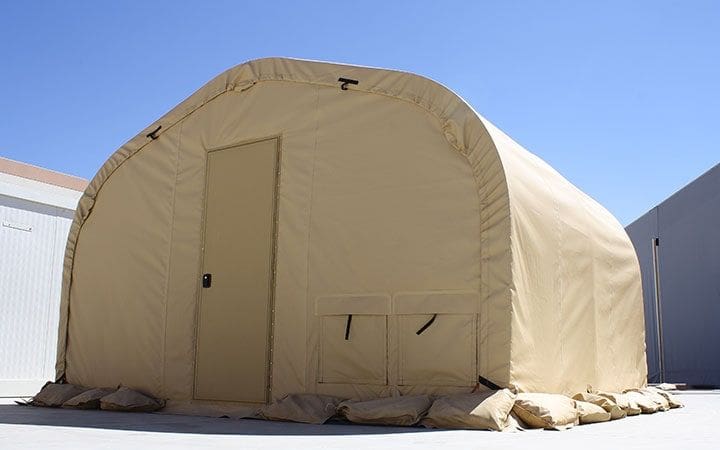
The increase in the cost of materials, environmental regulations and long-term objectives of operational efficiency have made sustainability a key factor in the choice of construction. Increasingly, developers, industrial purchasers, and infrastructure planners are considering not only a building’s performance but also its environmental impact over its lifecycle. Here, the differences between pre-structured buildings and reinforced concrete structures have become more visible, with steel-based structures increasingly popular.
Moreover, the answer to whether steel-based systems are indeed beneficial for sustainability can be found only by going beyond the superficial argument. Comparing pre-engineered structures to conventional buildings in terms of material efficiency, construction processes, energy performance, and end-of-life impact, the pre-engineered structures have a strong case in most instances.
Material Efficiency and Resource Optimization
Material optimization is one of the most important sustainability benefits of pre-engineered buildings. In pre-engineered systems, the steel members are designed using rigorous engineering calculations that accurately match the material used to the actual loads. This eliminates excess material and prevents overdesigning, which is common in traditional RCC construction, where a standard member size is commonly used as a safety factor.
RCC structures, on the other hand, are highly dependent on cement, sand, aggregates, and water, all of which have significant environmental footprints. Cement production is particularly energy-intensive and one of the largest contributors to carbon emissions. Pre-engineered buildings also tend to have lower embodied carbon per square meter of built space through reduced concrete use and the efficient use of steel.
Factory-Controlled Manufacturing and Waste Reduction
The buildings are pre-engineered and produced in controlled factory settings, with cutting, welding, and fabrication optimized to produce an accurate, low-waste product. Recycling of steel offcuts is an easy task and the quality control measures lower the chances of rework and material rejection.
In comparison, RCC construction generates significant on-site waste, including formwork, concrete, and material-handling waste. Fluctuations in site and workforce skill levels may cause inefficiencies, leading to higher material consumption. The predictability and repeatability of factory fabrication give pre-engineered buildings a strong advantage in terms of sustainability.
Construction Speed and Environmental Impact
Sustainability is directly related to construction time. An expedited project provision reduces the power consumption of tools, temporary setups, and worker transportation. Prefabricated buildings are also constructed on-site within a very short period by installing prefabricated parts, thereby drastically reducing construction schedules.
RCC buildings involve a series of activities, including curing, shuttering, and several steps in casting, which prolong construction and make it relatively more harmful to the environment. Less length of construction also minimizes noise, dust and disturbance to neighboring communities, which is a growing concern in urban and industrial areas.
Operational Energy Efficiency
That said, sustainability is not confined to the building process but also to building operations. High-performance insulation, reflective roofing material and airtight envelopes have been integrated into pre-engineered buildings to enhance thermal efficiency. The features save on energy on heating, cooling and ventilation throughout the lifespan of the building.
Although RCC structures can also be made energy-efficient, retrofitting or upgrading thermal performance is usually complicated and expensive. The pre-engineered systems are also designed in a modular manner, facilitating the incorporation of energy-saving features at the initial design stage to support the long-term sustainability objective.
Flexibility, Expansion, and Lifecycle Benefits
One of the major sustainability benefits of pre-engineered buildings is flexibility. These buildings have been designed so they can expand, relocate, or be remodeled without much waste. The parts may be dismantled and reused, prolonging the building’s functional life and reducing the need for new raw materials.
The RCC buildings are rigid. Such amendments usually include demolition, wastage of materials and extra carbon emission. In lifecycle terms, the versatility of systems built on steel is also closer to the values of the circular economy, where connecting reuse and versatility are more important.
End-of-Life Recycling and Circular Economy Impact
Steel is the most recyclable building material. The structural components can be reused and recycled after the life cycle of a pre-engineered building, with minimal deterioration of the materials. This significantly reduces landfill waste and promotes closed-loop systems.
Concrete, however, cannot be recycled well. When structures made of RCC are destroyed, a significant amount of debris is generated, much of which is sent to landfills or other low-value uses. This difference reinforces the sustainability argument for pre-engineered buildings when considered over the entire lifecycle.
Context Matters – Not a Universal Solution
Although pre-engineered buildings offer clear sustainability benefits in most cases, they are not always the best option. RCC can still be favored in high-rise residential buildings, complex architectural designs, and some infrastructure developments due to structural or design requirements. The results of sustainability require proper application, not mere substitution.
On a larger scale, pre-engineered structures tend to be more sustainable than RCC structures, especially in industrial, commercial, and logistics applications. Efficiency of materials, reduced waste, accelerated construction process, energy performance, and overall recyclability lead to a low environmental footprint.
With sustainability being increasingly a measure of construction, pre-engineered systems are a viable, scalable route towards more responsible building practices.